Mobility programs



Erasmus+ International Credit Mobility
The Erasmus+ International Credit Mobility (ICM) action provides students, as well as staff members of higher education institutions, with the opportunity to study and/or gain professional experience in another country. A higher education institution located in Armenia (Partner Country) can send its students and staff representatives to a university in a Program Country, and vice versa. Program Countries include the 28 member states of the European Union (EU) and 5 non-EU Program Countries: North Macedonia, Iceland, Liechtenstein, Norway, and Turkey.
Benefits of Student Mobility
1. Promotion of Cooperation
Student mobility fosters collaboration between different educational institutions, facilitating knowledge exchange and the adoption of innovative teaching methods.
2. Human Capital Development
Students acquire new skills during their studies, which are valuable for both local and international labor markets. This enhances their competitiveness and contributes to the preparation of highly qualified professionals.
3. Economic Impact
Mobility attracts international students, who contribute to the local economy through tuition fees and living expenses. Local students can also bring new knowledge and ideas back to their home countries, fostering innovation.
4. Cultural Diversification
Mobility promotes cultural exchange, which is essential for intercultural understanding and adaptability. This process helps develop a global mindset.
5. Strengthening Collaboration
Mobility programs facilitate the establishment of long-term connections between educational and research institutions, which is crucial for addressing regional and global challenges.
6. Enhancement of Institutional Reputation
Universities with high levels of mobility gain international recognition, making them more attractive to future students and researchers.
These strategic factors make student mobility a key driver of educational development and economic progress.

Training Opportunity for Lecturers
CONFERENCE INVITATION
Study opportunity in Bulgaria
Attention dear students
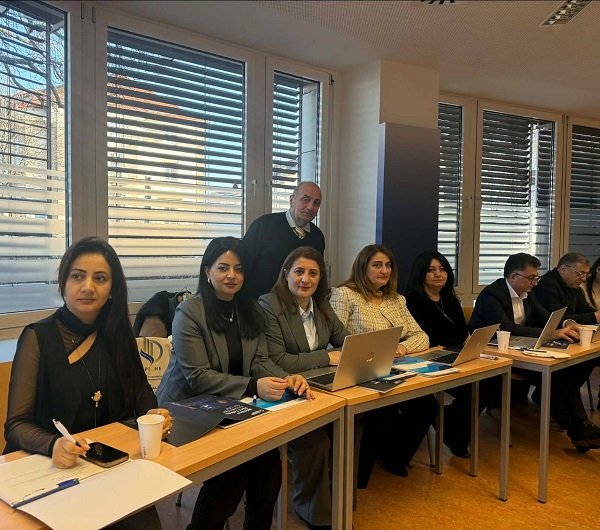
The Northern University team in Dresden