RETHINKING UNIVERSITY TEACHING IN THE DIGITAL ERA: EVIDENCE FROM ARMENIAN AND RUSSIAN UNIVERSITIES
Atom MKHITARYAN
PhD, Dean of ISEC, National Academy of Sciences
atom.mkhitaryan@isec.am
Ruzanna IVANIAN
PhD, S. Petersburg State University of Industrial Technologies and Design
rivanian@yahoo.com
Astghik AVETISYAN
PhD, Yerevan State University
a_astghik@yahoo.com
Abstract
This article examines transformations in university lecturers’ pedagogical activity amid the ongoing digitalisation of higher education. Drawing on post‑non‑classical science methodology, which integrates explanatory and interpretative approaches and treats participants’ values, perceptions, and attitudes as valid research data, the study provides both theoretical and empirical justification for the growing centrality of pedagogical knowledge.
The empirical component involved comprehensive diagnostics—including focus groups, observations, and anonymous questionnaires—with over 70 lecturers from Armenian and Russian universities. Three main groups of challenges are identified: (1) designing curricula and educational‑methodological support, where 72% feel unprepared to build student‑centred digital learning environments; (2) organising students’ independent work, hampered by insufficient feedback and counselling; and (3) fostering productive communication with students in digital environments, which remains labor‑intensive and institutionally unrecognised.
The conclusion underscores that pedagogical knowledge has become a core component of university lecturers’ professional activity in contemporary higher education—a finding with direct implications for policy, institutional practice, and the design of academic development programmes.

Հյուսիսային համալսարանի դեսպաններն՝ Իսպանիայի Սևիլյայի համալսարանի իրավագիտության ֆակուլտետում
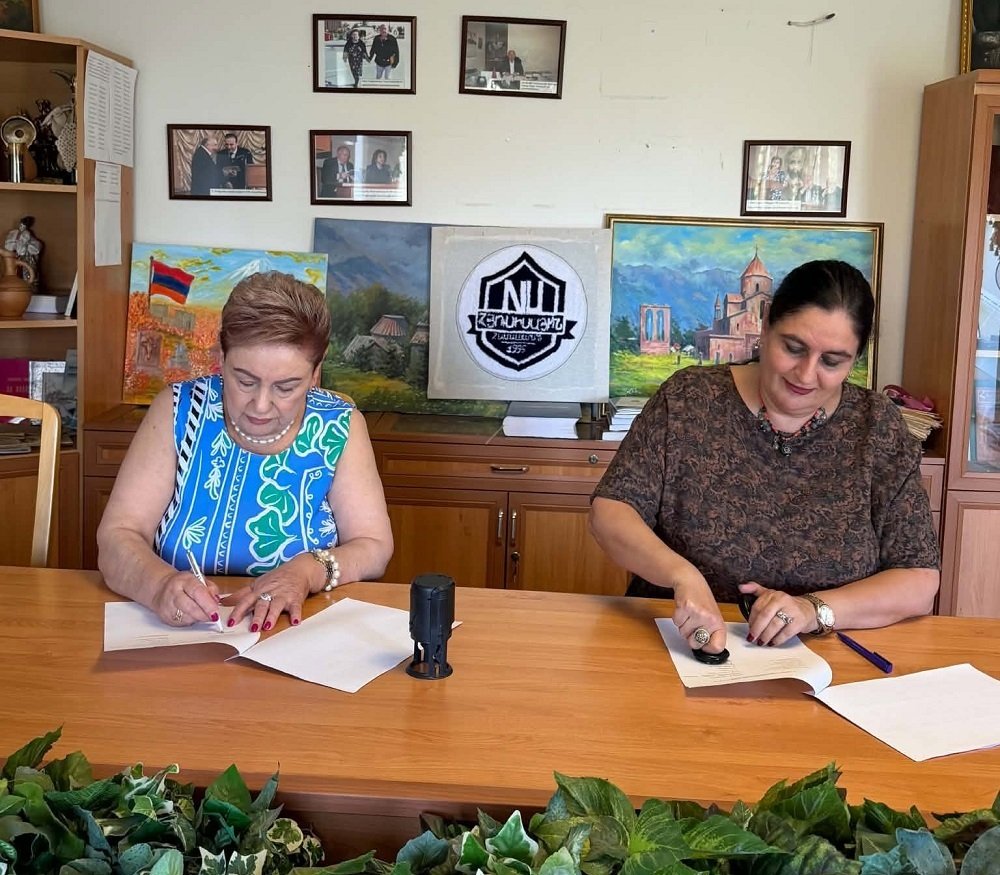
ՆՈՐ ՀԱՄԱԳՈՐԾԱԿՑՈՒԹՅՈՒՆՆԵՐ

ՀԵՌԱԿԱ ՏԵՂԵՐԻ ՀԱՅՏԱԳՐՈՒՄ
Ուշադրություն

Շնորհավոր գիտելիքի օր․․․