ARTIFICIAL INTELLIGENCE IN MANAGERIAL ACCOUNTING: OPPORTUNITIES AND CHALLENGES
Liana GRIGORYAN
Doctor of Sciences, Professor, Armenian State University of Economics
lianagrigoryan11@gmail.com
Arpine HAKOBYAN
PhD, Lecturer, Armenian State University of Economics
arpinehakobyan111@gmail.com
Abstract
The digital transformation of the global economy has necessitated a fundamental shift in corporate accountability, placing the integration of Environmental, Social, and Governance (ESG) metrics at the forefront of strategic management. This article examines the methodological challenges of measuring sustainability within the framework of IFRS S1 and S2 standards, specifically addressing the phenomenon of “strategic decoupling” between external reporting and internal operational reality. The research explores the role of Artificial Intelligence (AI) as a structural bridge capable of harmonizing these domains.
The study identifies and analyzes key AI-driven opportunities in management accounting, such as the use of Natural Language Processing (NLP) for quantifying unstructured ESG data, the transition to proactive risk management through predictive analytics, and the methodological synergy between AI and the Analytic Hierarchy Process (AHP). Concurrently, the paper reveals critical challenges and risks associated with AI integration, including data reliability concerns (GIGO principle), the “black box” nature of complex algorithms, and the ethical implications of AI-facilitated “greenwashing.” By proposing an integrated AI-driven framework, the research concludes that while AI acts as a primary catalyst for accounting transformation, its efficacy is contingent upon a symbiosis with professional judgment and ethical oversight.

Հյուսիսային համալսարանի դեսպաններն՝ Իսպանիայի Սևիլյայի համալսարանի իրավագիտության ֆակուլտետում

ՆՈՐ ՀԱՄԱԳՈՐԾԱԿՑՈՒԹՅՈՒՆՆԵՐ
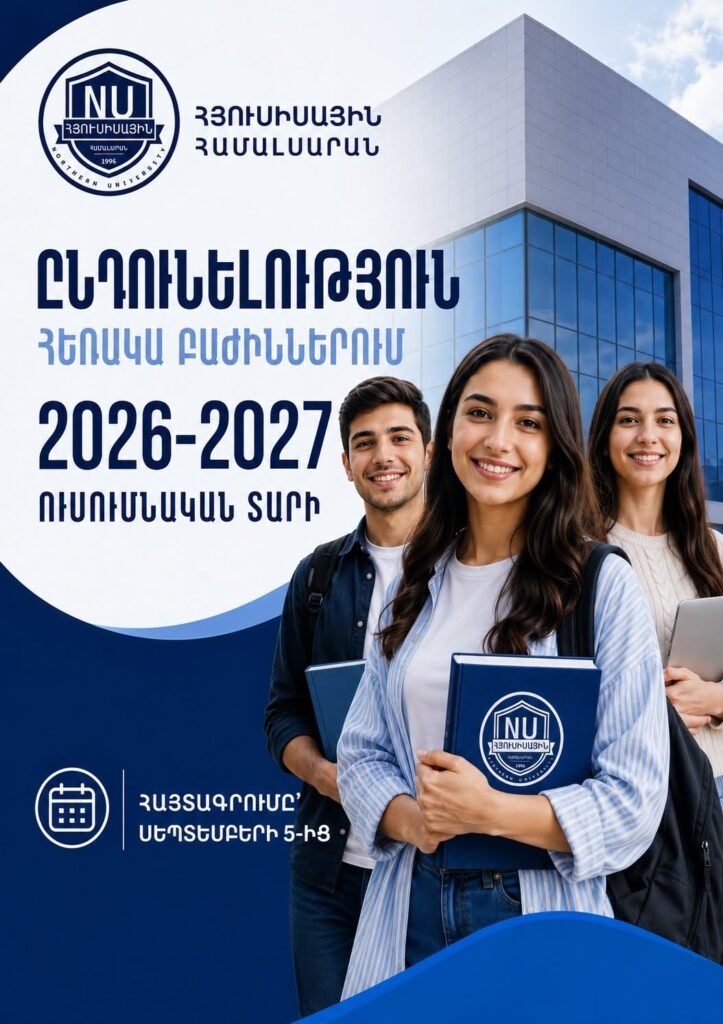
ՀԵՌԱԿԱ ՏԵՂԵՐԻ ՀԱՅՏԱԳՐՈՒՄ

Ուշադրություն

Շնորհավոր գիտելիքի օր․․․