
GREEN ECONOMY CHALLENGES IN THE CONTEXT OF SUSTAINABLE DEVELOPMENT: THE MEDIA’S ROLE AND CHALLENGES
Astghik AVETISYAN
PhD, Associate Professor, Yerevan State University
a_astghik@yahoo.com
Arine MKHITARYAN
MA student at University of Bologna, Italy
arinemkhitaryan.tv@gmail.com
Abstract
Ask what the green economy actually requires of the public and the answer quickly
becomes uncomfortable: not just awareness, but a working understanding of carbon pricing
mechanisms, lifecycle assessments, circular supply chains, and regulatory compliance
frameworks. That gap—between what green economy literacy requires and what the news
actually delivers—is what this paper is about. We argue it is not accidental. Drawing on AgendaSetting Theory (McCombs & Shaw, 1972), Framing Theory (Entman, 1993), and Boykoff and
Boykoff’s (2004) work on false balance, we trace the structural pressures that cause even wellresourced coverage to fall short. Our case studies—Blue Planet II, the “Exxon Knew”
investigations, and Falkenberg et al.’s (2022) analysis of viral climate discourse—point toward
a consistent pattern: as media attention to environmental issues grows and intensifies
emotionally, it tends to leave audiences more anxious than informed, and less capable of action
rather than more. We evaluate the EU Anti-Greenwashing Directive and the Digital Services Act
as regulatory responses, identify the implementation gaps that persist, and argue that
recommendations focused only on journalistic practice miss the deeper problem. The architecture
of commercially dependent, algorithmically optimized media is not incidentally hostile to green
economy communication—it is structurally so.

Հյուսիսային համալսարանի դեսպաններն՝ Իսպանիայի Սևիլյայի համալսարանի իրավագիտության ֆակուլտետում
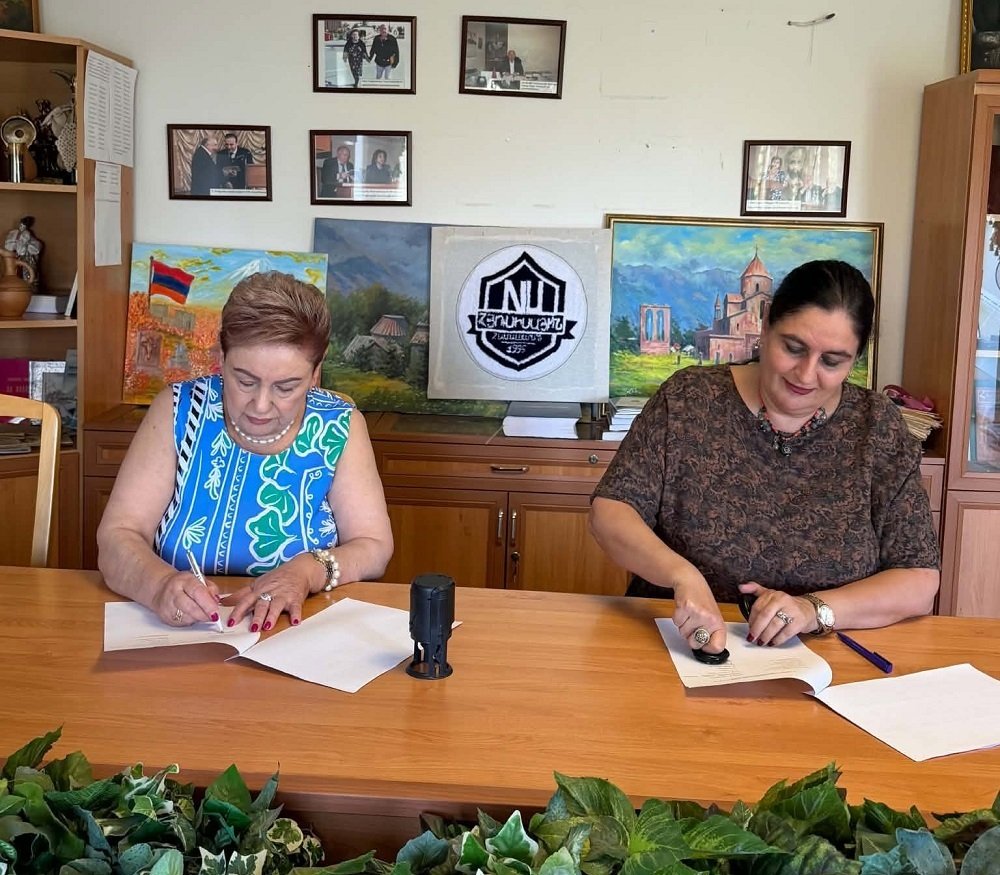
ՆՈՐ ՀԱՄԱԳՈՐԾԱԿՑՈՒԹՅՈՒՆՆԵՐ

ՀԵՌԱԿԱ ՏԵՂԵՐԻ ՀԱՅՏԱԳՐՈՒՄ

Ուշադրություն

Շնորհավոր գիտելիքի օր․․․